



History of Budva, Montenegro: A History-Rich Coastal Town with a Thriving Real Estate Market
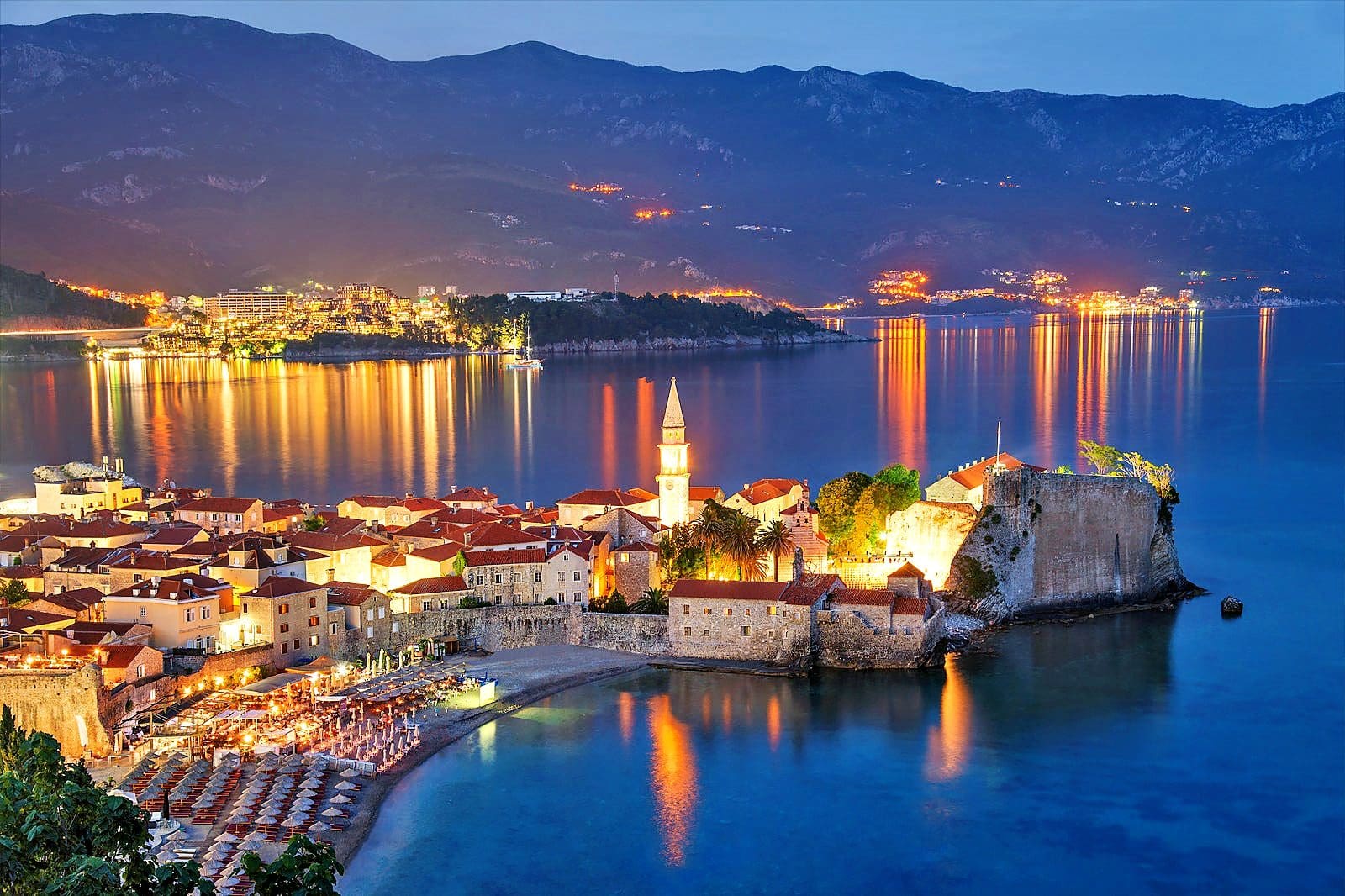
Budva is one of Montenegro’s most popular tourist destinations, and for good reason. With its stunning beaches, charming Old Town, and vibrant nightlife, it’s easy to see why visitors are drawn to this coastal town. But Budva is more than just a tourist hotspot – it’s also a thriving real estate market.
Introduction:
Budva is a coastal town in Montenegro with a history dating back over 2,500 years. It was originally settled by the Illyrians, and later came under the rule of the Greeks, Romans, Byzantines, Venetians, and Austro-Hungarians. This rich history is reflected in the town’s architecture and culture, which is a blend of Mediterranean and Slavic influences.
In recent years, Budva has become a popular tourist destination, known for its beautiful beaches, charming Old Town, and vibrant nightlife. The town is also home to a growing number of luxury hotels and resorts, making it a desirable destination for both tourists and investors.
History of Budva:
The first written record of Budva dates back to the 5th century BC, when it was known as Buthoe. The town was originally settled by the Illyrians, an ancient people who inhabited the Balkans. In the 6th century BC, the Greeks colonized the region, and Budva became a Greek emporium.
In the 2nd century BC, Budva became part of the Roman Empire. During this time, the town flourished, and became an important trading center. The Romans built a number of public buildings in Budva, including a forum, temples, and baths.
After the fall of the Roman Empire, Budva came under the rule of the Byzantine Empire. During this time, the town was repeatedly attacked by various invaders, including the Slavs and the Arabs.
In the 14th century, Budva was conquered by the Venetian Republic. The Venetians ruled Budva for over 400 years, during which time they built a number of fortifications and other buildings in the town.
In the 18th century, Budva was conquered by the Austro-Hungarian Empire. The Austro-Hungarians ruled Budva until the end of World War I, when it became part of the Kingdom of Yugoslavia.
After World War II, Budva became part of the Socialist Republic of Montenegro, which was a constituent republic of Yugoslavia. During the Yugoslav era, Budva developed into a major tourist destination.
Real Estate in Budva:
The real estate market in Budva is booming. The town is a popular destination for both tourists and investors, and there is a high demand for both residential and commercial properties.
Across the properties we currently list in Budva, the median asking price is about €3,500 per m². Half of them sit between roughly €2,700 and €4,500 per m², and the full range runs from around €1,000 to €8,700 per m². What moves a property within that range is location, the age of the building, the floor it is on, and whether it has a sea view.
Along the wider Budva Riviera — Bečići, Rafailovići, Sveti Stefan and Petrovac — the median is lower, close to €3,150 per m². For comparison, our Tivat listings have a median near €5,850 per m², and our Bar listings near €1,760 per m².
These figures are the median of our own listings as of September 2026, not a market-wide index. They describe what is actually available through us today rather than what the whole market is doing.

Where buyers look in Budva:
Three parts of the town attract most of the buyer interest, and they suit very different people.
The Old Town. Stone buildings inside the Venetian walls, narrow streets, no cars. Supply here is genuinely limited — the walled area is small and nothing new is built inside it — and any renovation has to respect heritage rules, which adds time and cost. It suits buyers who want the address and the character, and who are not in a hurry.

The waterfront and Slovenska plaža. This is where most of the modern apartment stock sits: newer buildings with lifts and parking, walking distance to the beach and the marina. It is also where short-term rental demand is strongest, which is why it attracts buyers thinking about rental income rather than only about a holiday home. Most of our apartments for sale in Budva are in this part of town.
Jaz and the western approach. Lower density, quieter, more space. There are more land plots and standalone houses here than apartment blocks, and the beach is a long open stretch rather than a town promenade. It suits buyers who want room and calm over footfall.
Whichever part of Budva you are looking at, the same checks matter: whether the title is clean, whether the building is legal or still awaiting legalisation, and what the purchase will actually cost once tax and notary fees are added. We handle those checks as part of our service, and buyers pay us nothing — our fee comes from the seller.
Conclusion:
Budva is a beautiful coastal town with a rich history and a thriving real estate market. If you are looking to invest in a property in Montenegro, Budva is a great option.


